
5 Best Practices
Best Practices
At HRR, we view our environmental and community relations efforts not as uniform measures, but as a series of practices tailored to the characteristics of each property and regional characteristics.
This chapter introduces some representative examples of such efforts that have emerged from frontline sites. These examples are not only individual practices, but also demonstrate that HRR’s sustainability is supported by the creativity and ingenuity of the diverse entities involved in the operation of each property.
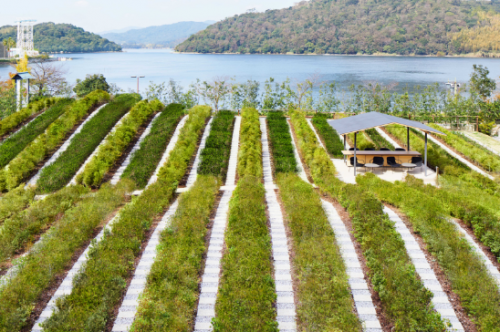
KAI Enshu: “Tsumugi Tea Field,” a Scenic Asset and Experience Value Formed by the Revitalization of Tea Fields
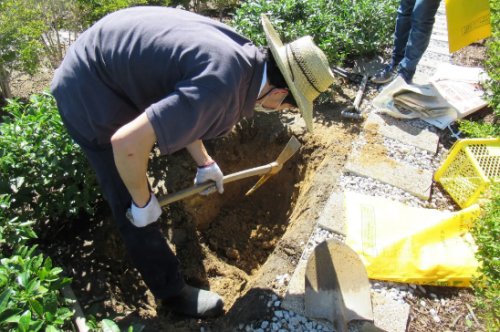
At this tea field, which began construction in 2018 and was completed in 2019, we initially faced the challenge of poor tea tree growth. In response, we conducted a soil survey in 2021, and in 2022, we carried out drainage improvement work, while also temporarily extracting all tea trees to reconstruct the soil environment. At the tea field, which was reconstructed in the same year, we planted trees with the participation of guests, incorporating the regeneration process as an experience value.
Over the next four years or so, we worked on operational and environmental improvements in an integrated manner, including technical training from local tea farmers, drainage improvements and repairs, and measures to conserve heat during the winter.
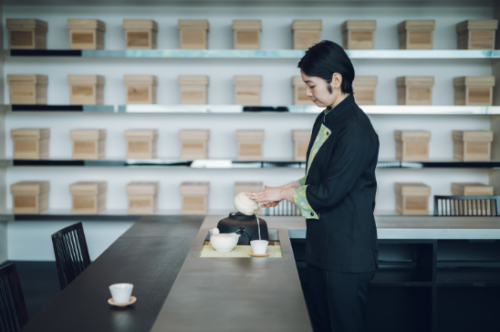
As a result of these continuous improvements, we have reached a level where it is possible to harvest tea leaves, and we are conducting a program for guests.
This initiative is an example of an operational model that repeatedly observes, verifies, and improves against the uncertainties of the natural environment, contributing to the long-term enhancement of asset value and experience value.
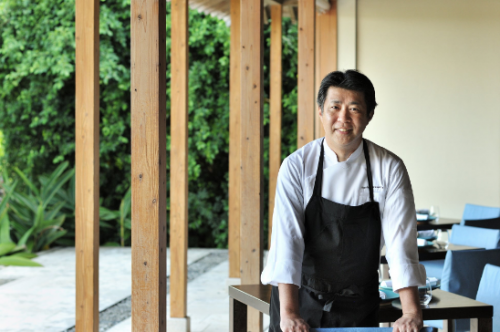
HOSHINOYA Taketomi Island: A Model for Creating Experience Value Through Island Terroir
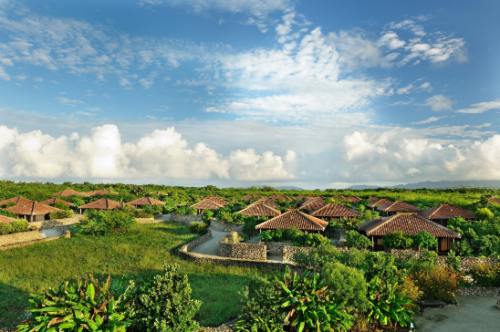
Under the concept of “island terroir,” this facility expresses the unique values derived from the natural environment, culture,
and lives of the people of Taketomi Island as a form of gastronomy.
Rather than simply providing meals, we seek to enhance experience value by combining the island's climate, natural features,
ingredients, and cooking techniques and integrating them with the stay experience.
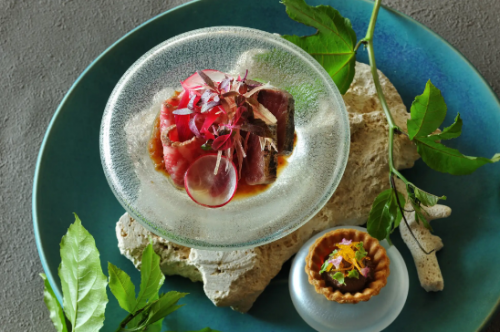
The spring 2026 course features dishes that use seasonal ingredients, based on the theme of the season known as “Urizun”
(late February through April) in Okinawa. By taking advantage of the bounty of the sea and local landscape, such as bonito
fish, aged meat, and vegetables, and elevating it with French cooking and other techniques, we have achieved both local
character and added value.
In addition, by incorporating seasonings and herbs unique to the island, we are working to pass on and differentiate the local
culture.
Furthermore, this initiative is designed not only as a cuisine in itself, but also as a form of experience value throughout guests’
entire stay, by linking it with the natural environment, such as the landscape, the flow of time, and the starry sky. This creates
a memorable experience that goes beyond short-term consumption.
This model is designed to enhance customer satisfaction and boost profitability by upgrading experience value while utilizing
the region's unique resources. In this way, we contribute to maximizing the value of tourism assets and long-term brand
establishment.
HOSHINOYA Karuizawa: Natural Capital Management Centered on Coexistence with Wildlife
The accommodation and tourism business in Karuizawa is strongly dependent on the health of the forest ecosystem and coexistence with wildlife, and we position the natural environment as the very foundation of our business.
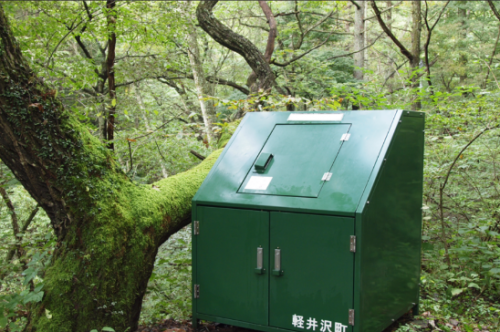
In Karuizawa, where HRR owns facilities, Piccio, an NPO that specializes in wild animals and plants, has been conducting ecological surveys of Asiatic black bears and coexistence measures on an ongoing basis since the early 2000s on behalf of the town of Karuizawa.
Specifically, we maintain and manage natural capital and ecosystems by identifying habitats and areas of action, managing incentive sources (waste and feeding), creating a safe environment for human activities, and taking other measures.
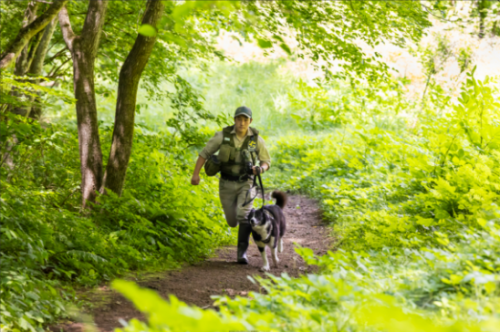
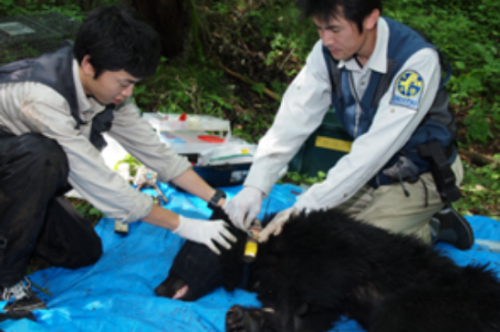
In addition, we are working to reduce the risk of injury to humans and damage by combining behavior management based on individual identification (transmitter attachment, behavior tracking, learned releases, and chasing off animals with bear dogs) with environmental improvements such as waste management, electric fences, and the provision of information.
These efforts achieve coexistence between humans and wildlife in a manner that does not rely on extermination, while also contributing to the preservation of tourism assets and the reduction of business risks.
Aiming to Contribute to the Local Economy Through the Circular Economy
As part of our support for areas that were severely damaged by the 2024 Noto Peninsula Earthquake and torrential rains, we are implementing ongoing collaborative projects in conjunction with local resources.
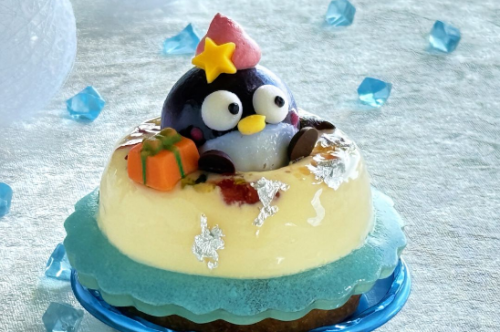
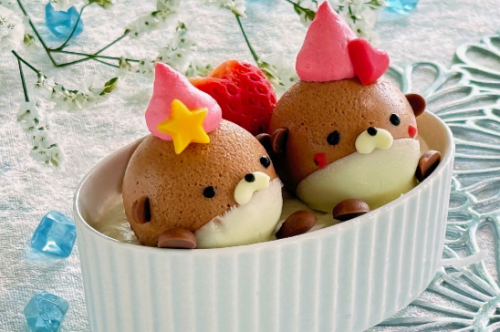
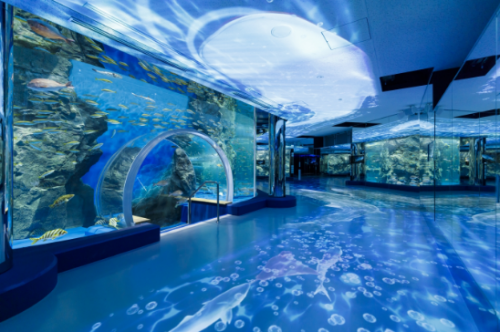
In an initiative with the Notojima Aquarium, the only aquarium in the prefecture, we have introduced a system in which a portion of the sales of eligible products is allocated to support the breeding of living creatures, thereby linking our support and our business activities. We also develop and sell special sweets using local ingredients such as Noto salt to communicate the appeal of the region and enhance the value of our products.
By making this an ongoing project with a different theme each season, we maintain and strengthen relationships with visitors. This initiative is not merely a form of reconstruction assistance, but also contributes to building sustainable relationships with the local community and enhancing brand value.
Decarbonization Model for the Tourism Value Chain that is being Developed Horizontally (SAF Utilization)*
Given that most CO₂ emissions in tourism originate from transportation for travelers, HRR supports the horizontal development of efforts to reduce emissions across the entire tourism value chain, including not only accommodation but also transportation. Specifically, we promote both decarbonization and resource recycling in the aviation sector through the use of sustainable aviation fuel (SAF), which utilizes waste cooking oil.
We initially launched this initiative at a single facility, but as understanding of its significance and potential for implementation has spread, we have now expanded it to multiple facilities. Such horizontal development is not limited to environmental measures at individual facilities, but instead, it is an initiative that will lead to the formation of a decarbonized ecosystem across the tourism industry as a whole, while also sharing practical knowledge within the Group.
Facilities where the initiative is currently in effect: 11 facilities (as of the 26th fiscal year)
Grand Hyatt Fukuoka, HOSHINOYA Fuji, KAI Hakone, KAI Enshu, ANA Crowne Plaza Hiroshima, ANA Crowne Plaza Kanazawa, ANA Crowne Plaza Toyama, RISONARE Atami, KAI Ito, KAI Nagato, and OMO7 Osaka
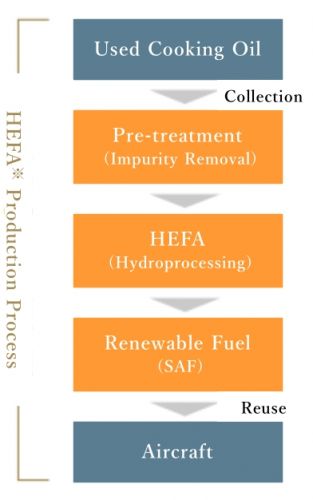
- *Sustainable aviation fuel (SAF) refers to fuel made with materials that are not fossil fuels, such as waste cooking oil, vegetable and animal fats, and woody biomass. This type of fuel is said to be capable of significantly reducing carbon dioxide (CO2) emissions compared to conventional fuels made from crude oil.